6 Distinct Signals: Is Your Water Heater Nearing Fail?
Click HereWhat are your concepts on Telltale Signs That It’s Time for a New Hot Water Heater?

In some cases, the lag in your heating system is simply an outcome of showering way too much or doing loads of laundry. There are instances when your equipment requires taking care of so you can proceed taking pleasure in warm water. Don't await damaged water heaters to give you a big headache at the top of winter months.
Rather, discover the warning signs that indicate your hot water heater is on its last leg prior to it totally conks out. When you observe these six red flags, call your plumber to do fixings prior to your machine completely stops working and leaks almost everywhere.
Hearing Unusual Appears
When unusual sounds like knocking and tapping on your machine, this indicates debris build-up. It is akin to stratified rocks, which are tough and also make a lot of noise when banging versus metal. If left unattended, these items can produce tears on the steel, triggering leakages.
You can still conserve your water heating unit by draining it and cleaning it. Simply be mindful since dealing with this is unsafe, whether it is a gas or electrical system.
Producing Insufficient Warm Water
If there is not nearly enough hot water for you and your family members, yet you haven't altered your consumption behaviors, then that's the indication that your water heater is falling short. Normally, growing family members and an extra restroom show that you have to scale as much as a bigger system to fulfill your demands.
When every little thing is the very same, yet your water heating unit all of a sudden doesn't satisfy your hot water demands, consider a specialist evaluation since your machine is not carrying out to requirement.
Experiencing Changes in Temperature Level
Your water heating system has a thermostat, and the water created must remain around that very same temperature you set for the unit. If your water ends up being too cold or too hot all of a sudden, it could indicate that your water heating unit thermostat is no longer doing its task.
Seeing Pools and leakages
Check to pipes, ports, as well as screws when you see a water leakage. You might simply require to tighten up several of them. Nonetheless, if you see puddles collected at the end of the heating unit, you need to require a prompt examination because it reveals you have actually obtained an active leak that could be an issue with your container itself or the pipes.
Seeing Odiferous or gloomy Water
Does your water instantly have an odor like rotten eggs and also look unclean? If you smell something unusual, your hot water heater could be breaking down. Your water ought to be fresh and also clean smelling as in the past. Otherwise, you might have rust build-up as well as bacteria contamination. It suggests the built-in anode pole in your equipment is no more doing its work, so you require it changed stat.
Aging Beyond Criterion Life-span
If your hot water heater is more than ten years old, you should think about changing it. That's the natural life expectancy of this equipment! With correct upkeep, you can expand it for a few more years. In contrast, without a routine tune-up, the life expectancy can be much shorter. You might think about water heater replacement if you recognize your hot water heater is old, paired with the other problems mentioned above.
Do not wait for damaged water heating systems to give you a huge migraine at the top of winter months.
Your water heating unit has a thermostat, and also the water created ought to stay around that same temperature level you set for the unit. If your water comes to be too chilly or also warm all of a sudden, it might mean that your water heating system thermostat is no much longer doing its task. If your water heating system is more than ten years old, you must take into consideration replacing it. You may think about water heating system replacement if you understand your water heating unit is old, combined with the various other concerns mentioned above.
How to Handle a Broken Water Heater in Your Home
Water heaters tend to last around 10-15 years if properly maintained, but they can show signs of wear long before they actually break. If you start to notice leaking around the lines, it could cause damage to your flooring and drywall as well as cause the water heater to fail. Rust and sediment can also settle in the bottom of the water heater causing the water heater to fail, or you may have the wrong size causing the unit to burst without warning. Whatever the case may be, if your water heater breaks here are some tips on what to do next.
What to do When Your Water Heater Breaks
Turn off the Water – Turn off the water valve on your water heater. If it won’t turn off, shut off your home’s main water supply. If your water heater has burst, locate the cold water supply pipe leading from your home’s main water line into the top of the water heater. Turn off the cold water supply line by turning the valve clockwise. This stops the flow of water filling the hot water heater. Turn off the Power – An electric or gas heating element can pose new hazards if left running. It can stay hot long after water is out of the tank which wastes energy and could also start a fire. Locate and flip the breaker for your hot water heater on your breaker box. If your hot water heater is gas-powered, turn off the gas line leading into it and leave the house until the natural gas smell is gone. Drain the Water Heater – Attach a hose to the drain valve at the bottom of your water heater’s tank. Run the other end of the hose to a lower area where you can drain dirty water without risking more damage. Open the drain valve and flip the relief valve handle to prevent a vacuum from forming while the water drains. Rinse with Cold Water – After the water heater drains, open the water supply for a few minutes to flush any remaining sediment out of the water heater. File an Insurance Claim if Possible – Take photos of any structural elements or furniture that were damaged to help your insurance company determine the cost to repair or replace the items. Use a wet/dry vacuum to remove water from the area around the tank. Run a dehumidifier or floor fans to help prevent the growth of mold. Contact your insurance agent and be sure not to throw away your hot water tank as the insurance adjuster will need to see it to determine the cause of the burst and whether the company will pay for damages. When the insurance adjuster visits your home to assess the damage, show the photos you took and be ready to answer any questions he or she might have. https://baileyokc.com/blog/water-heaters/how-to-handle-a-broken-water-heater-in-your-home
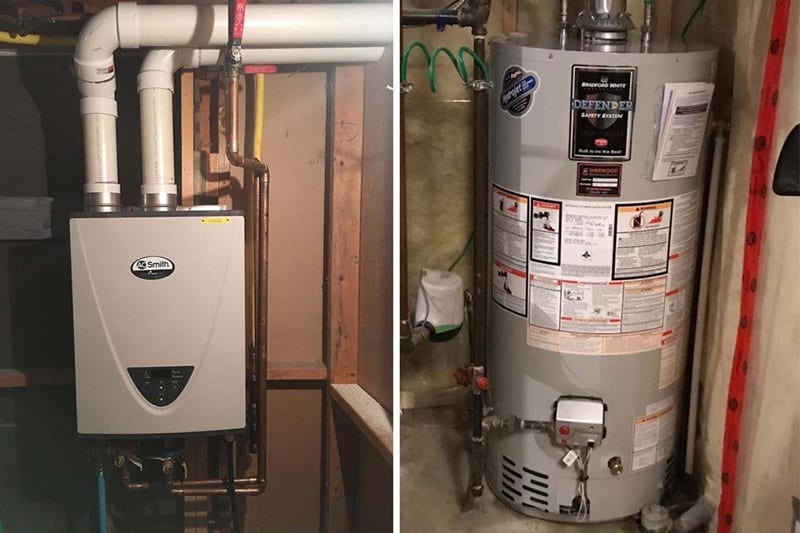
Do you appreciate reading about Is Your Water Heater About to Die?? Place feedback directly below. We would be pleased to see your insights about this write up. We are looking forward to see you back again soon. Are you aware of another person who is in to the topic? Take a moment to share it. Thanks for your time. Visit us again soon.
Get An Estimate